The Project
Young people are our future everywhere in Europe. In a few years they will take charge of our societies. We must help them
have the ambition, inspiration and motivation to actively lead not only in school, but also in creating a successful future. Our
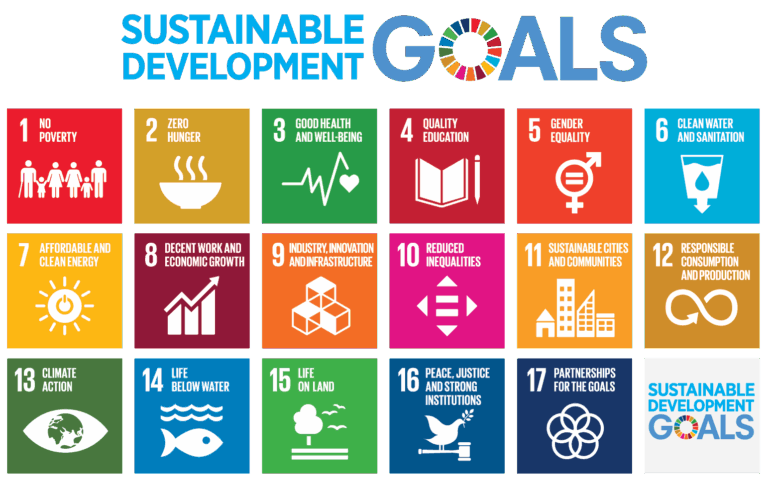
project focuses on addressing the social, environmental and economic dimensions of sustainability within the framework of
the UN Sustainable Development Goals and integrating sustainable living skills into school education through transnational
collaborations. European young people play an important role in building bridges between the past, present and future.
Collaborative projects between nations and institutions help sustain the cultural values of the European Union by promoting
its culture and common values.
The global pandemic has underlined the imperative to ensure the sustainability of our planet’s resources. As educators, we
believe that we must develop and support our young people with the knowledge, skills, values and attitudes necessary to
live in a sustainable and resource-efficient society.
The increasing threat of Climate Change is undeniable and its
lasting consequences will profoundly shape the future.
Human activities such as fossil fuel consumption, deforestation,
and unsustainable agricultural practices are exacerbating
climate change, endangering the sustainability of Earth’s
systems and living conditions. The Intergovernmental Panel on
Climate Change warns that current global warming is occurring
approximately ten times faster than the rate of post-ice age
warming, and that there is a more than 50% chance that global
temperatures will exceed 1.5 degrees Celsius between 2021
and 2040; This is a critical turning point.
Data from the Stockholm Environment Institute shows that
children born in 2020 are twice as likely to face forest fires,
2.6
times more susceptible to drought, 2.8 times more exposed to
river floods and significantly more vulnerable to heat waves. It
underlines that they are extremely vulnerable. Regardless of
their homeland, young people across Europe face similar
questions about what their future lives will be like in relation
to economic and natural resources and climate change. In the
research conducted by WEF (World Economic Forum) with the
participation of approximately 30 thousand young people
every year and investigating the global trends of young people,
the question «What is the most important problem in the
world?» Most of the young participants answer the question
“climate change and environmental destruction”.
We believe that integrating Sustainability Education into our
curriculum is crucial to closing the gap between theoretical
knowledge and practical engagement. We are committed to this
effort, recognizing that Sustainability Education is a
powerful force that will mobilize young people’s collective
determination to build an environmentally sustainable society.